Mechanical beats chemical. A plunger and a hand-cleaned trap move the blockage; kitchen-cabinet recipes mostly hope it dissolves. Hot water earns its place on grease, and a fizzing chaser can nudge a thin film of buildup. Give the whole home-remedy ladder an hour. If the basin stays full once the hour is up, the plug sits past the trap and the wider clogged drain and toilet guidance applies.
What is the best first move when a sink drains slowly?
Let hot water run briefly and watch how it swirls away. A basin that empties, only lazily, answers to heat and a plunger. A basin that stays full wants the plunger and trap treatment straight away, because anything poured in only pools. The first minute of observation tells you which path you are on.
Read the pattern as well. Gradual slowing over weeks means a coating has been thickening on the pipe walls. An overnight stop means something solid dropped into the trap, perhaps a ring, a cap or a clump of peeled-off food. Bathroom basins clog with hair wound into soap scum near the stopper. Kitchen basins clog with grease, coffee grounds and the food film that cooks into the elbow under the counter.
Is the pantry fizz recipe worth trying?
Modestly. The foaming loosens a thin layer of residue, and vinegar can cut soap film. It cannot dissolve a hairball or punch through a dense wad, so it is a gentle rinse and not a rescue. Use it on a lightly slow drain, then chase it with hot water.
Cover the opening for a quarter hour, rinse, and allow one repeat. A level that hasn't budged tells you to switch tools. One firm rule: do not stack your recipe on top of a commercial cleaner. Bleach meeting acid or ammonia can throw off toxic fumes, and a sink full of mixed chemistry is something no plumber wants to open.
How do you plunge a sink, then open the trap?
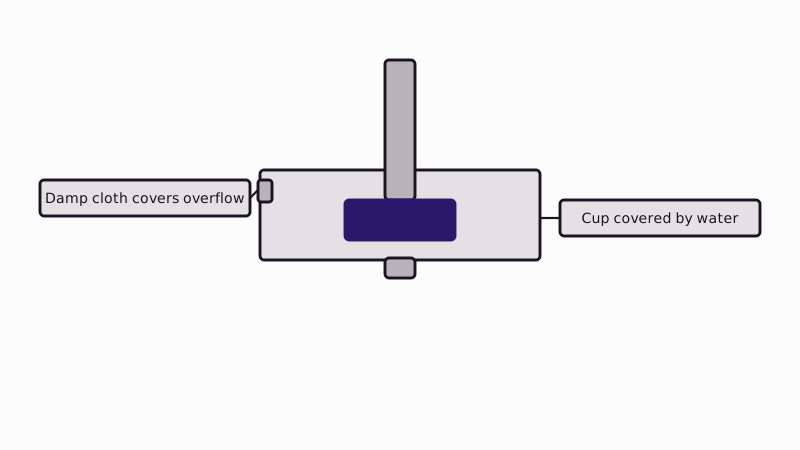
For the plunger, stuff a damp cloth in the overflow slot, keep the cup under a few inches of water, and pump steadily for fifteen strokes or so. No luck? Slide a bucket under the curved pipe, turn its two big nuts loose by hand and see what drops out.
Expect a tangle of hair, a bottle cap or a grey slug of congealed grease. Rinse the parts in another sink, check that the washers sit flat, reassemble finger-tight and run water while you look underneath for drips. A small drain auger can then go into the wall stub; crank slowly and stop if it jams, because forcing it can scar older pipe. For a bathroom basin, a notched plastic strip hooks hair better than a bent hanger does.
Can you pour boiling water on a clogged drain?
Hot, yes. Boiling, think first. Water straight off the boil can soften plastic pipe and weaken glued joints, and a thermal shock may crack a porcelain basin. Let the kettle rest a minute, pour in stages, or just use the hottest tap. Steel basins and metal traps tolerate it better.
Homes on the Westside mix materials. A 1920s Craftsman or Spanish Revival house frequently runs cast iron or galvanized drain in the wall and a newer plastic trap under the sink, so you cannot assume one material. Grease is where heat shines, though it can solidify again further downstream. Squirt in dish soap with the hot water and flush for several minutes afterward to carry it past the point where it would harden.
Why do plumbers dislike bottled drain openers?
They burn skin, throw fumes, and sit in a standing basin when the clog does not move. They also work hard on old pipe, and whoever opens the line afterward meets caustic water. They handle hair poorly, which is the commonest bathroom blockage. A trap cleaning and a snake solve more clogs with less risk.
Already poured some in? Don't plunge; splashback burns. Mention the product to whoever arrives so they wear protection. Disposals and older systems are especially touchy. For gentle upkeep, enzyme products work slowly and suit monthly maintenance better than an emergency, and gloves plus ventilation matter with anything from a bottle.
Where is the line between a sink problem and a deeper drain problem?
Two fixtures backing up together, gurgling from a neighbor drain, bubbling in a lower floor drain, or zero change after a clean trap and a short auger all suggest a branch drain or the main sewer. That wants a camera and a bigger machine, not another remedy.
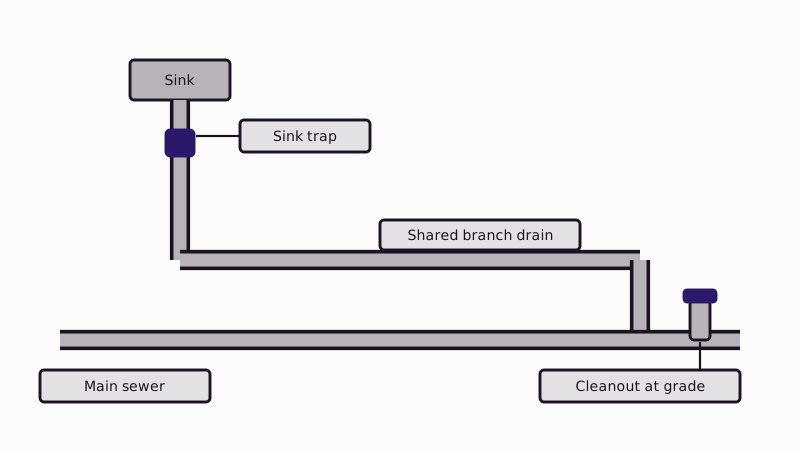
A returning sewer odor suggests a vent or line fault. Wet cabinet floors may mean a trap leak that mimics a clog. Aging cast iron also scales and takes roots, and sinks that sag again within weeks of a good clearing are nearly always reporting buildup out of reach. At that stage, describe the symptoms on the quote page to arrange a visit.
How do you stop a sink clogging again?
Fit a basket strainer, scrape pans into the trash instead of rinsing fat down the drain, and rinse with hot water after a greasy meal. In bathrooms a hair catcher outperforms any liquid. Monthly, flush each drain with a kettle of hot tap water and wipe the stopper.
Water hardness helps scum cling. Santa Monica's latest water quality reports measure its supply near 160 parts per million as calcium carbonate, enough to leave mineral crust that hair and soap snag on. Cleaning the trap once a year is cheap insurance. Keep coffee grounds, rice and eggshells out of the disposal. Planning a fixture change? See what a faucet installation costs.
Common questions
How long does the fizz mix need to sit?
A quarter of an hour, covered, is plenty, then follow with hot water. An overnight soak adds nothing; the reaction is finished in minutes. Two rounds and still slow? Suspect hair or a solid object and reach for the plunger or the trap.
Will dish soap and hot water move a grease clog?
For a fresh one, yes. Squeeze in a generous glug of dish soap, pour hot tap water behind it, and repeat a couple of times. The soap emulsifies fat and the heat keeps it flowing. A months-old grease plug needs mechanical help as well, such as a trap cleaning or an auger.
Is a coat hanger a good tool for a bathroom sink?
It can fish hair from just beneath the stopper. Straighten it, bend a small hook and pull gently. Pushing hard can jam the clog deeper or scratch the pipe. A cheap plastic barbed strip does the same job more safely and costs very little.
My sink still drains slowly after I cleaned it. Why?
The coating farther down may be thick, or a vent might be partly blocked. Grease and soap build up on pipe walls and shrink the opening, and a poor vent makes water gurgle and trickle with nothing visibly stuck. If the trap and a short auger do not help, a camera shows what's in there.
When does a plumber need to step in?
If plunging and trap cleaning both fail, once a second fixture backs up, once there is a sewage smell, or once water shows up under the cabinet. A deeper blockage calls for a machine and sometimes a camera. Get the price in writing first.
For the rest of what is available, see the Sunset Coast Plumbing home page.
Sources used
Page updated