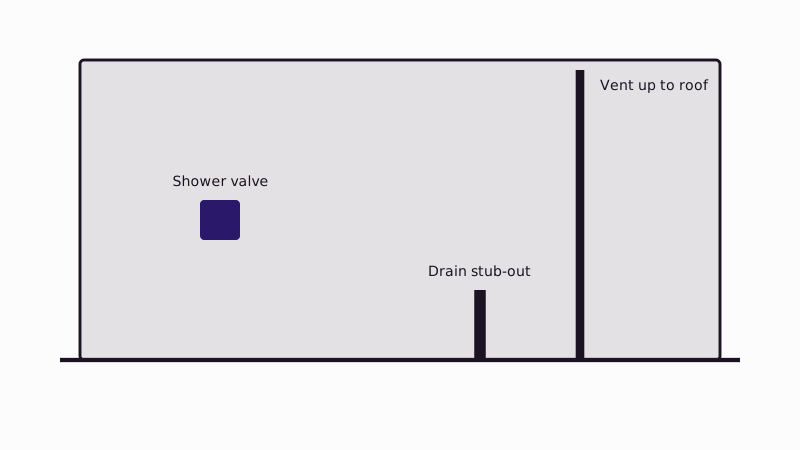
Think of the plumbing in a bathroom remodel as three beats. First comes demolition, when you learn what the wall was hiding from you. Second is rough-in, when new supply and drain pipes go into open studs. Third is trim-out, when the fixtures finally get set on finished tile. Pipes are cheapest to change during beats one and two. The home page shows the plumbing we arrange around Santa Monica, and what follows is the list of things to settle before a single stud is exposed.
Which plumbing choices have to be made before the tile goes up?
Where each fixture sits, which shower valve you want, what size the drains are, and whether supply lines change. All of that is locked at rough-in, because a move after tiling means breaking finished work. Choose the toilet, vanity, shower and tub first, since their spec sheets dictate where the pipes must stop.
Pick the valve and trim, the toilet model, the faucet and the drain style before the walls are closed. Rough-in dimensions come from the manufacturer's sheet. Last-minute swaps are the usual reason the plumbing line on a remodel grows.
Does leaving fixtures where they are keep the plumbing simpler?
Nearly always. Fixtures left on their existing lines skip new drain runs, slope headaches and floor cutting, so the plumber mostly swaps parts. Relocating a toilet or tub requires fresh drain pipe set at a proper fall, and over a slab that can mean opening concrete. A layout that stays put is the plainest route.
We will not put a dollar figure on it, because the written quote sets that for your house. What moves it is easy to list: how far a fixture travels, the floor type, access from below plus whatever condition the old pipe is in.
What might an older Santa Monica bathroom be hiding?
Supply lines of rusting galvanized steel, drain pipes made of cast iron or clay, and stop valves that refuse to close. An open wall is the cheapest chance to look. Swapping a short run of tired pipe now costs far less effort than reopening tile in three years.
Houses from before the 1950s can contain any of those, and a plumber can read the pipe and test pressure to see which. If steel runs through much of the house, start with galvanized pipe replacement, then then read about redoing the pipes of an older home. The whole-house route is on the repiping page.
How do I choose fixtures and flow rates?
Match them to your supply and your household. EPA's WaterSense label caps bathroom faucets at 1.5 gallons a minute and showerheads at 2.0, where a standard showerhead runs near 2.5. Lower flow trims water and water-heating energy, and sturdier fixtures outlast bargain ones.
Confirm that the valve body and the trim kit are made to go together. Pressure-balancing and thermostatic valves smooth out temperature swings, so ask which type the rough-in uses before you buy a decorative trim. Prices for individual jobs are on the faucet installation cost and toilet replacement cost pages.
Does the city require paperwork for this?
When plumbing is moved or replaced, expect one, with an inspection of the rough-in before drywall. Requirements vary by Westside city and we have not read each current rulebook, so phone the city office that covers your street before demolition starts.
On paperwork: ask who applies and whether inspection time is in the price. The most a contractor may ask up front on a home improvement job is 10 percent of the price, topping out at $1,000. For work of that size and up, the state expects a plumbing-class contractor (C-36); use the board's lookup before signing.
What keeps the new shower from leaking later?
A pressure test of the new lines before the wall closes, clearly labeled shutoffs, and a walk-through that shows you the main and the shower valve stop. Chasing a leak behind finished tile is miserable. Leak trouble afterward has its own page, shower leak plumbing.
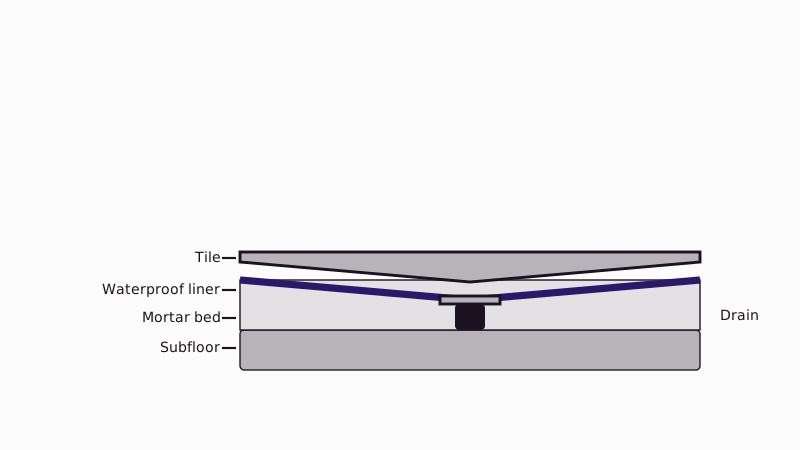
Hold on to the permit, the inspection sign-off and the fixture sheets, and photograph the open wall. EPA's household leak average runs past 9,300 gallons yearly, and that is what ignoring a slow drip adds up to.
What if the remodel goes near gas or the water heater?
Gas work belongs to a contractor, and a moved water heater may need new venting, strapping or a permit. A gas smell at any stage means outside first. For a gas smell, the utility is SoCalGas (1-800-427-2200). For anyone hurt or threatened, dial 911. Never nudge a gas appliance or flex connector yourself.
Many bathrooms share a wall with a heater closet or a gas wall furnace, so plan clearances early. Gas jobs are explained at gas line work, and heater paperwork at water heater permits.
Do hillside, coastal or condo bathrooms change the plan?
They can. A bathroom in a hillside Brentwood or Malibu house may sit above or below the main drain, which affects fall and whether a pump is needed. Coastal air shortens the life of exposed metal. In a condo, building rules often govern shutoff times, noise hours and who may touch risers, so ask the association before booking dates.
None of that is a reason to hold off. It is a reason to have the plumber see the site first, so the quote reflects the real layout, not a typical one. Access to the shutoff and to the drain stack decides more than the size of the room.
Common questions
What should the written price list?
Supply and drain lines, the shower valve, a pressure test, permit and inspection, and a plan for old pipe found behind the wall. Add who buys and who sets each fixture. Put it in writing through the quote form before anything is torn out.
Is the water off for the entire remodel?
No. Expect planned shutoffs at rough-in and again at trim-out, and have the plumber name the windows in advance. With only one bathroom, arrange a shower and a toilet elsewhere for those stretches, and ask whether a temporary hookup helps.
Which parts could a homeowner handle?
Swapping a faucet or showerhead is within reach for many owners. New supply and drain runs, valves inside walls and anything gas-related are contractor jobs, and licensing starts at $1,000. If unsure, have a plumber look before you cut a single pipe.
Sources used
Page updated