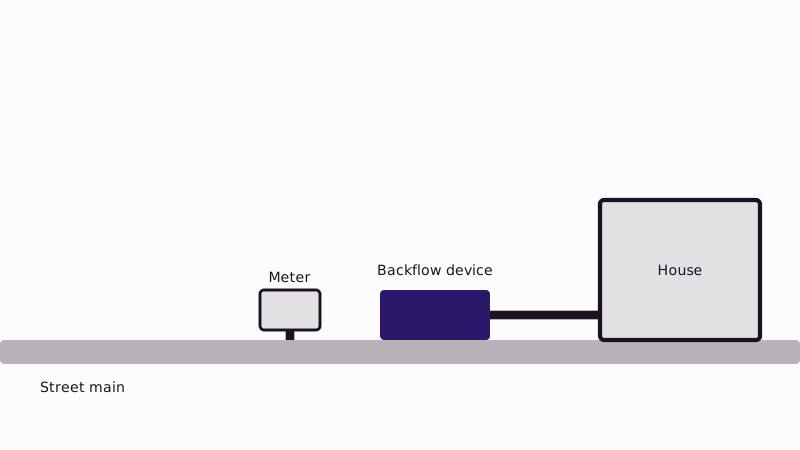
For a house, the yearly test is usually priced per device, and we have no verified Westside figure to quote. The written quote sets the price, and that price buys a gauge test and a signed report, not repairs. Homes that have one usually have just a single device, protecting a lawn sprinkler line, a pool fill or a fire sprinkler system. Where backflow sits among permits and inspections is covered under permits, codes and inspections.
What will the annual test run for a house?
A routine annual test is priced per device, shaped by device type, access and the number of devices on one visit. Visit minimums and multi-device pricing may both apply, and we publish no dollar range because we could not verify one. The quote carries the real number, and it should say whether filing the report costs extra.
Cost drivers worth knowing:
- Type: a simple vacuum breaker on a lawn line is quicker than a reduced-pressure assembly
- Number of devices tested in one trip
- Where the device sits: a flowerbed box is easy, a locked vault less so
- Whether your supplier charges a separate report or filing fee
- Travel across the Westside to a canyon or hillside address
What does the test actually check?
Shutoff valves on both sides get closed, a calibrated gauge goes onto the test cocks, and the reading shows if the internal check valves hold back pressure and, on some models, if a relief valve opens where it should. The inspection ends with a pass or fail, written on a form. Water is off to that line during the visit.
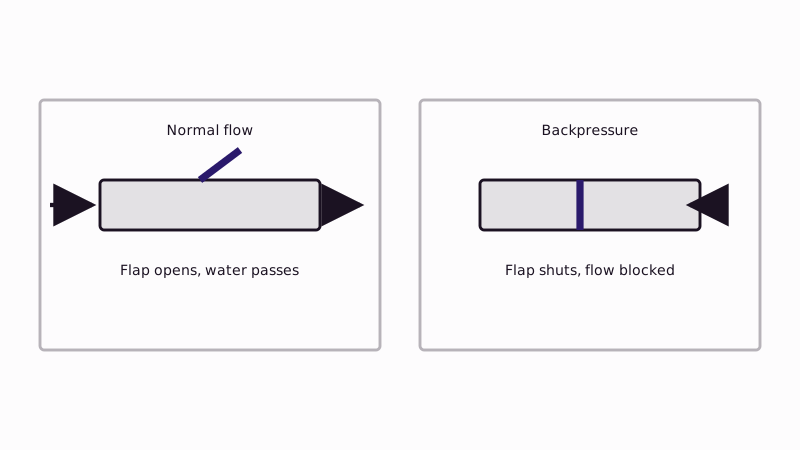
The device exists to stop water, fertilizer or pool chemicals from being pulled backward into the public supply when pressure drops, for instance during a main break or heavy firefighting draw. That is why suppliers insist on a yearly test. Los Angeles County Public Works' backflow program page states that devices must be tested once a year by a tester the state recognizes, with the customer responsible for hiring one and sending in the result.
Which homes need a backflow device and a test?
Homes with an in-ground irrigation system, a pool or spa with a direct fill, a fire sprinkler system, a well alongside city water, or a dedicated irrigation meter are the usual ones. Many ordinary Santa Monica homes with only hose bibs and a small hand-watered garden have none. The supplier's letter or last year's report is the quickest way to know.
Your supplier decides who must test and when. Water providers on the Westside can each set their own notice and forms, so confirm with your water provider and look at the letter you receive. If there is no letter and you do have a device, ask the supplier whether it is on their list instead of waiting for a surprise shutoff warning.
What does it cost if the device fails?
A repair ranges from a simple rubber kit or spring to a relief valve rebuild, and replacing the whole assembly costs more than either, with the written quote setting each price. A failed result needs fixing and a passing retest within the window your supplier gives, so the fix is a real extra, not an optional upgrade.
Corrosion from salt air near the coast and from hard water or fertilizer can shorten the life of backflow devices, as can freeze damage in rare cold spots. Replacement of the entire assembly normally needs a permit. A written quote should separate the test, any repair parts, labor and the retest, so you can see which part of the bill is routine.
Who is allowed to test, and is my plumber enough?
Holding a plumbing contractor license does not make someone a backflow tester. Testing calls for a credential the state recognizes and your supplier accepts. California requires a contractor license for work of $1,000 or more, or any job needing a permit, which is a separate matter from tester recognition. Ask the tester for proof, and ask your supplier whether that tester is on their approved list.
Pick a tester who files the paperwork for you, or confirm in advance who sends the form. Missed paperwork is the most common reason households receive a second notice after a passing test. Keep your copy for at least a few years, together with the device model, size and serial number, which speeds the next visit.
When in the year should the test happen?
Book it as soon as the supplier's notice arrives, or in the quietest month for irrigation, not in the last week before the deadline. Testers are busiest in the final weeks, and a failed device needs time for parts. Shutting down a sprinkler system for a visit is least disruptive outside summer watering peaks.
Link the visit to other yard work if you can, such as winterizing the sprinkler controller or replacing valves. Annual testing is also a good moment to look at the valve box for leaks, cracked pipe and stuck valves. If anything else in the yard needs a plumber, mention it on the quote page so one trip covers more.
Common questions
How long is the water off?
Plan on a short visit for each device, and a little longer if the device sits in a vault, behind a locked gate or under overgrown plants. That line is dry while the gauge is attached. A failed result adds repair time, sometimes the same visit if the parts are in the truck, often a second trip.
What do I check before choosing a tester?
Whether the price covers filing the report, whether your supplier approves this tester, and what a failed device would cost. Have the price written down. For a repair quote of $1,000 or more, the state board's lookup will show whether the contractor license number is real.
Must someone be present on test day?
Watching is optional, but access has to be open: gates unlocked, flowerbeds cleared, and the sprinkler controller easy to switch off. Many owners leave a gate code. A device inside a garage or basement means somebody lets the tester in.
Is it cheaper to bundle several devices?
Possibly. Multi-device visits can lower the price per device because travel and setup are shared, though we have no verified discount to quote, so ask the tester. If you have separate irrigation, fire sprinkler and pool-fill devices, ask for one combined quote.
What are the consequences of skipping the test?
Suppliers send notices and may add fees or, as a last step, restrict water service until the device is tested, according to local programs and contractors in the area. Since rules differ by supplier, read your notice for deadlines and consequences, and call the supplier's cross-connection office if you are unsure.
For the wider picture, start with Sunset Coast Plumbing plumber.
Sources used
Page updated